Introduction: What Is Parlour Care and Professional Cosmetology?
Many people want healthy skin and hair. But, choosing between parlour care and professional cosmetology can be confusing. Parlour care means beauty treatments done at local salons or beauty parlours. These are often run by beauticians with basic training. On the other hand, professional cosmetology involves experts with advanced education. They may work in clinics or medical settings. Often, they have special licenses or certifications. In this blog, we will explain the difference between parlour care and professional cosmetology. We will also help you decide which is best for you.
Key Differences: Training, Qualifications, and Expertise
First, let’s look at the training and skills needed for each option. Parlour care providers usually complete short courses. These may last a few weeks or months. They learn basic beauty skills like hair cutting, waxing, and facials. However, they may not have deep knowledge about skin or hair problems.
In contrast, professional cosmetologists often study for several years. They may have diplomas or degrees in cosmetology. Some even work with dermatologists, who are medical doctors for skin. Because of their training, they can handle complex skin and hair issues. For example, they know how to treat acne or hair loss safely.
Safety and Hygiene Standards
Safety is very important in any beauty treatment. Parlours may follow basic hygiene rules. For example, they might clean tools and use fresh towels. However, not all parlours follow strict safety standards. Sometimes, this can lead to skin infections or allergic reactions.
On the other hand, professional cosmetology clinics follow strict hygiene rules. They use sterilized tools and medical-grade products. Also, they follow guidelines from health authorities like the CDC and WHO. As a result, the risk of infection or side effects is much lower.
Types of Services Offered
Parlour care usually offers simple beauty services. These include haircuts, waxing, threading, basic facials, and makeup. Sometimes, they offer hair coloring or simple skin treatments. But, they do not treat medical skin or hair problems.
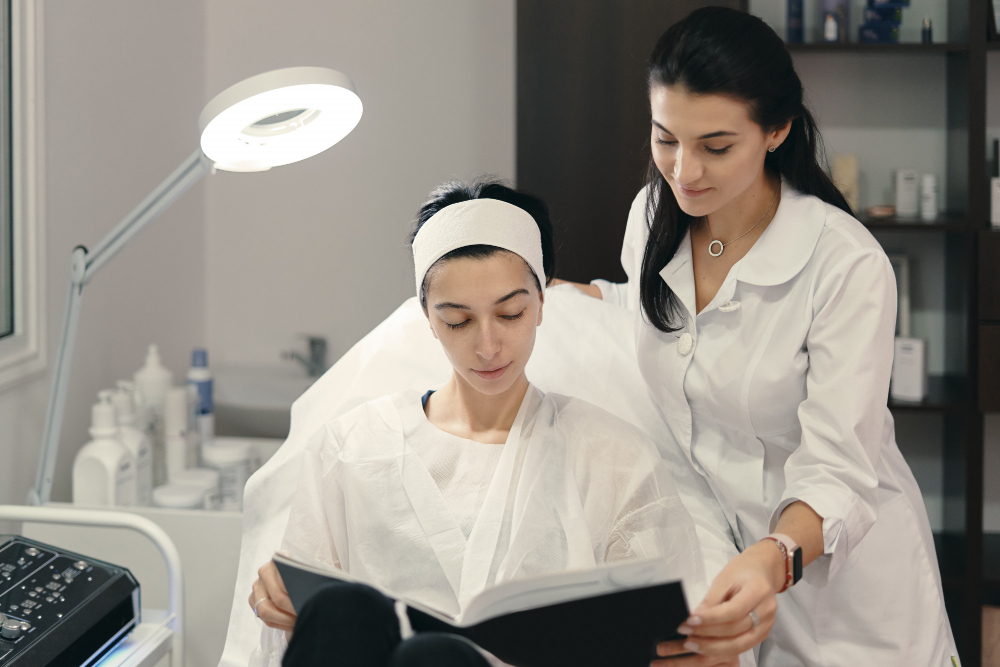
Professional cosmetology offers a wider range of services. For example, they provide advanced facials, chemical peels, laser treatments, and hair restoration. They can also treat skin conditions like acne, pigmentation, or scars. In many cases, they work with dermatologists for better results.
Results and Effectiveness
When it comes to results, parlour care can help you look fresh for special events. For example, a facial or makeup session can give you a quick glow. However, these results are often short-term.
In contrast, professional cosmetology aims for long-lasting changes. Treatments are based on science and medical research. Therefore, you may see better and safer results for skin or hair problems. For example, laser treatments can reduce unwanted hair for months or years.
Risks and Complications
Every beauty treatment has some risks. Parlour care may use products that are not tested for safety. Sometimes, poor hygiene can cause infections or rashes. Also, beauticians may not know how to handle allergic reactions.
Professional cosmetologists use safe, approved products. They are trained to spot and manage side effects. If a problem occurs, they know what to do. This lowers the risk of serious complications.
How to Choose Between Parlour Care and Professional Cosmetology
Choosing the right option depends on your needs. If you want a simple haircut or makeup, parlour care may be enough. But, if you have skin or hair problems, you should see a professional cosmetologist or dermatologist.
Here are some tips to help you decide:
Frequently Asked Questions (FAQs)
1. Is parlour care safe for everyone?
Usually, parlour care is safe for simple beauty needs. However, people with sensitive skin or allergies should be careful. Always ask about the products used.
2. What is the main difference between a beautician and a cosmetologist?
A beautician has basic training for beauty services. A cosmetologist has advanced education and can handle complex skin or hair issues.
3. Can parlour care treat skin problems like acne?
No, parlour care is not meant for medical skin problems. For acne or other skin issues, see a dermatologist or professional cosmetologist.
4. How do I know if a cosmetologist is qualified?
Check for licenses, certifications, and reviews. You can also ask about their education and experience.
5. Are professional cosmetology treatments expensive?
They may cost more than parlour care. However, the results are often better and safer in the long run.
Conclusion
In summary, parlour care and professional cosmetology offer different levels of service and safety. Parlour care is good for basic beauty needs. But, for lasting results and safe treatments, professional cosmetology is the better choice. Always choose a provider who follows safety rules and has the right training. Consult a certified dermatologist Dr.Sharanya for personalized advice.