
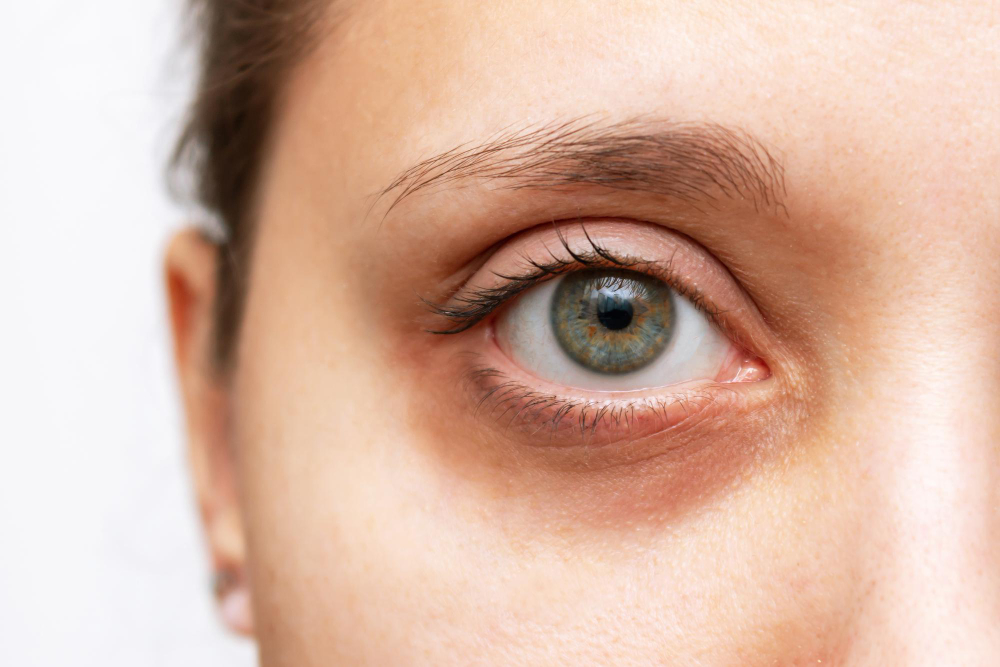
What Is Under-Eye Darkness?
Under-eye darkness, often called dark circles, is a common concern. Many people think lack of sleep is the only cause. However, under-eye darkness can happen for many reasons. It appears as dark or shadowy skin under the eyes. Sometimes, it may look blue, purple, brown, or even black. While it is not usually a sign of a serious problem, it can affect how you feel about your appearance. Understanding the causes of under-eye darkness can help you find the best way to treat it.
Common Causes Beyond Lack of Sleep
Although not getting enough rest is a well-known cause, there are many other reasons for dark circles. Let’s explore them below.
Genetics and Family History
First, genetics play a big role. If your parents or close relatives have dark circles, you may have them too. Some people are born with thinner skin under their eyes. This makes blood vessels more visible, causing a darker look. In many cases, this runs in families.
Allergies and Nasal Congestion
Next, allergies can cause under-eye darkness. When you have allergies, your body releases chemicals that can make blood vessels swell. This swelling can lead to puffiness and dark circles. Nasal congestion, or a stuffy nose, can also make veins around the eyes look darker. As a result, people with allergies often notice more under-eye darkness.
Skin Pigmentation and Aging
As we age, skin becomes thinner and loses fat. This makes the blood vessels under the eyes more visible. Also, some people have more pigment in the skin under their eyes. This is called hyperpigmentation. It is more common in people with darker skin tones. Over time, both aging and extra pigment can cause dark circles to appear.
Dehydration and Nutrition
Staying hydrated is important for healthy skin. When you do not drink enough water, the skin under your eyes can look dull and sunken. Poor nutrition, such as not getting enough vitamins, can also make dark circles worse. For example, low levels of vitamin K or iron may play a role.
Sun Exposure
Too much sun can increase the amount of pigment in your skin. This can make dark circles more noticeable. Wearing sunscreen and sunglasses can help protect the delicate skin under your eyes.
Medical Conditions (e.g., eczema, anemia)
Sometimes, medical conditions cause under-eye darkness. For instance, eczema can make the skin under your eyes look darker due to irritation and rubbing. Anemia, which means low iron in the blood, can also cause pale skin and dark circles. If you have other symptoms, it is important to talk to a doctor.
How Is Under-Eye Darkness Diagnosed?
Doctors usually diagnose under-eye darkness by looking at your skin and asking about your health. They may ask about your sleep, allergies, and family history. Sometimes, they check for medical problems like anemia. Rarely, blood tests or other exams are needed. Most of the time, a simple check-up is enough to find the cause.
Treatment Options and Home Remedies
There are many ways to treat under-eye darkness. The best treatment depends on the cause. Here are some common options:
For some people, cosmetic treatments like chemical peels, laser therapy, or fillers may help. However, these should only be done by a trained dermatologist.
Prevention and Lifestyle Tips
While you may not be able to prevent all causes, you can lower your risk. Try these tips:
With these steps, you can help keep your skin healthy and reduce the look of dark circles.
When to See a Dermatologist
Most of the time, under-eye darkness is not a sign of a serious problem. However, you should see a dermatologist if:
Dermatologists can help find the cause and suggest the best treatments for you. According to the American Academy of Dermatology, seeing a specialist can help if you are unsure about your symptoms or want expert advice.
In summary, under-eye darkness can have many causes beyond lack of sleep. If you are concerned, consult a dermatologist Dr.Sharanya for personalized advice on under-eye darkness.